Real estate agent often works with professionals that deliver quality installation on time. They also know the unreliable artisans. You can make good bargains by having deep connections with your estate agent. A relationship with an agent as a professional contact can become a lifelong connection. Let’s share some benefits of connecting with a real estate agent.
FAVOURABLE NEGOTIATIONS
If you want to buy a property or you just found one; the first step is getting a fair deal. When you make an offer, it means you’re now taking the transaction to another level. Usually, the process of negotiation involves agents. Don’t behave like a novice when it’s time to negotiate. Instead, ask your agent to do the job, and protect your interest.
Good agents work with your budget and can meticulously advise you during negotiations. Goal-oriented agents understand the seller’s motives and current market prices. With this knowledge, they can enter favourable negotiations for their client.
Usually, real estate negotiations without a trustworthy agent allow room for swindling a novice investor. Also, real estate agents can manage client information confidentiality.
PROTECTS YOUR REAL ESTATE INVESTMENT INTERESTS
A good reason for having trusted agents is the extent to which they go to protect buyers from fraudulent sellers. These sellers appear indecisive and not inspired to sell. Also, they have lots of time to waste. You might not know their real agenda initially. However, a property agent can protect your interest and aid towards maximum and efficient property management.
RESPONSIBLE FOR DOCUMENTATION
Buying or selling a home there are lots of paperwork involved in the transaction. Usually, you can’t close a real estate deal without verifying the seller’s documents. It’s the responsibility of your real estate agent to guide the buyer.
Transactions in real estate are subject to legal and financial processes. This aspect of real estate deals is important when would-be homeowners require mortgage packages. To finance the property purchase, banks need to scrutinize the stakeholder before closing the deal.
DEPENDABILITY
You can depend on a trusted real estate or retail property agent to guide your investments. Most agents strive to build lasting relationships with clients. It encourages future businesses in the future. Sometimes the business card of your real estate agent can be used to refer customers.
In the real estate business, agents need customer retention. Usually, referrals come from friends, associates, and family. If you’re not planning to buy or sell a home anytime soon, there’s a good chance they might refer customers.
So, dependable agents can be useful go-to persons. Even their professional advice is beneficial. Having a deep connection with an agent comes with many perks. You might need the influence of sell a reputable real estate agent to sell the property at a good price. Apart from the influence, your agent’s contacts can provide better opportunities for making huge profits.
AGENTS HAVE DIVERSE EXPERIENCES
Agents are familiar with home improvement projects, buying and selling of property. If you want to know the resale value of a property, a dependable agent can offer some assistance. Respecting a mutual relationship can promote more deals. You don’t need to buy homes before you can use the services of a real estate agent. Other areas of need are during construction, renovation, and upgrades. Most reputable agents are experienced in many aspects. After investing in the property market, you might need to divest your portfolio. The advice from professionals can help you achieve high returns on investment (ROI). Moreover, the upkeep of good relations with a real estate agent can help you get insights into various other events and activities that happen around the area that the real estate agent might have first-hand access to due to their connections with the local authorities. If you require access to your nearest yet exclusive sports clubs or stadium events, you’d know who to contact and who can get you on the inside.
BUILDING CODES
Get familiarized with building codes if you have interests in buying properties. It’s your knowledge of other ancillary services with real estate industry encourage a better investment plan. Your real estate agent can introduce you to other professionals like plumbers, and builders. This strategy connection can increase your knowledge of building codes.
ACCESS TO LEISURE EXPERIENCES
Knowing your real estate agent can always be an advantage more than a detriment. Maintaining close connections and ensuring that you’re in the good books can always get your agent to recommend you to his deeper connections. In a fast-paced city like Melbourne, there are various events happening in and out across the city which requires the right contacts and the access to regulated information. Therefore, getting exclusive membership offers from Melbourne stadiums, book clubs, societies, etc. and many others can have a better impact if you connect truly with your real estate agent. An agent has contacts beyond the real estate market and this is where one needs to be smart.
When you are getting a real estate agent to help you sell a property, something that worries people is deciding the factors and the costs. The two-agent costs that need to be considered are commission and fees. The fees that are involved when you hire a real estate agent covers the costs for the marketing and the advertising. They take a commission which is a certain percentage of the sale price that they get when the home sells.
The amount of commission will change between states and regional areas vs metro etc. The lowest you are looking at is around 1.5% and the highest is reaching 4%. It often goes on the 2% to 2.5% of the sale price for your home. If your home is over 500,000 then you are looking at over $10,000 for fees. Marketing costs will come on top of this and can start at $500 to a few thousand. This will depend on how diverse the advertising needs to be and how far you are trying to reach out.
Not all agents structure their fees in the same way. Some may include the advertising within the commission and then quote a higher rate whereas some will use the sliding scale or a tiered commission like a 2% on the first $800,000 anything over will then go to 5% this is an incentive for those to work harder to a bigger sale price. It is important to remember that the commission structures are flexible, and negotiation is quite common since there is more legal regulation of the percentage of commission for the real estate industry.
It is important that you ask the agents what their commission structure is when you have an interview with them. Compare the difference between others which can help you to find the right agent.
Negotiating the fees
Once you have researched the potential agents you then need to interview the top 2 or 3 agents.
Start by asking the agents what their commission is and explain you are wanting to compare as if the agent wants your business then they may offer a good deal, so you choose them. Think about asking for a sliding scale rate this idea is to incentivise with the agent to give you a better selling price.
If your home is worth more than the average home is then you may be able to negotiate on a commission price, but you are going to have to work hard for this. You always have the option to sell your home through low commission real estate agents or do it yourself without an agent. Ensure you get everything in writing to ensure they haven’t added any hidden prices.
Sometimes the fees chargeable from the agent mostly depends on the credibility of the realtor in the market. He/she may be someone who is well versed with every facet of the real estate market with powerful contact and in possession of the latest real estate tech gadgets that keeps him one step ahead in the game. In such cases, one needs to be prepared to bear the additional charges of having the perfect realtor by their side where a profitable sale or purchase of property is guaranteed. For example, there are many realtors now in the Australian market that have easy access to gadgets such as an SOS watch, or a GPS alert system that is synced with all the connections the agent possesses around the area. This gives him access to the best of deals and offers that he can get before it is publicly listed on any website or traditional media.
Extra fees and cost tips that agents can get
Unconditional commission
It is common to see a real estate contract state clearly their commission and that it is unconditional once the sale of the home is complete. Bear in mind you are still liable for commission even if the sale falls through right before settlement. Ensure that the buyer’s deposit is the figure of the commission or somewhere close to ensure you don’t end up too out of pocket.
A real estate contract should state that the commission payable is total once the sale is complete, which is when contracts have been exchanged. This means that you still have to pay the commission even if the sale falls through prior to settlement, so it’s recommended that the buyer’s deposit is the figure of your agent’s commission fee, so you don’t end up paying too much out of pocket. However, as mentioned earlier, an agent with the right knowledge about the volatile real estate market and access to the right GPS alert systems may just cost you a bit more, but you’ll definitely have guaranteed return on investment.
The GST
The GST figure is sitting around the 10% mark. It is required for every real estate transaction and this is added to any commission that is being charged.
Auctioneer fees
Selling the property at auction will see you made to pay an auctioneer’s fee, most real estate agents are not fully registered auctioneers, so the cost is listed as sperate to their fees. An auctioneer’s fee will start around the $400 mark.
Few jobs are more intimate than hospitality design. In the end, a hotel is a home away from home — a place to rest our weary bodies and one that provides security when we are at our most vulnerable. As universal as this idea is colour for a language. Regardless of what dialect you converse in, the colour will stir emotions the exact same way it does in somebody else from halfway across the world.
Virtually speaking, colour is also one of the most visible elements of hotel interior design, which makes it a fantastic place to initiate the discussion.
Popular Colors Used in Hotel Interior Design
While certain colours generally invoke the very same reactions in most people, it’s still important to note that colour and saturation can radically change their personality.
As a guideline, light colours are perceived as visionary and also make rooms feel brighter and more spacious. Dark colours, on the other hand, lend elegance and intimacy. Combining light and dark colours also give a space a sense of balance and a mix of the features, as what has been done to some of the luxury resorts in Tasmania.
Blues are some of the most universally enjoyed colours: They are generally associated with calmness and serenity and are therefore some of the best choices for bedrooms and baths. Fantastic use of a periwinkle palette is a sunny room with big windows because it could cool the heat and diffuse brightness. Careful, though: When not balanced with other colours, it may evoke feelings of despair. As relaxing is green, it can also be exciting and refreshing at the same moment. It conjures nature, youthfulness, and vibrancy.
Boutique hotels that target a younger audience have more recently begun to incorporate verdant and leafy in their palettes. Green is popular with spas, as these institutions normally promise the feeling of renewal and rejuvenation; Quite simply, a return to youthfulness. One such example is this luxury day spa, which combines muted colours with a touch of green foliage which lends itself its sophisticated look.
Yellow is bright and optimistic — a little pop in the form of a primrose accessory or accent is frequently enough to liven up things. A light shade on the ceiling or a saturated accent wall will have an identical effect. The latter is especially effective for creating a work or conversation nook, as yellow is a stimulating colour. Pink is ordinarily associated with femininity and girlishness. When pink is used in a colour scheme, it gives a feeling of being fresh, sweetness and comfort. Accents of hot pink or fuchsia include some glamour and sophistication, particularly when paired with metallics. Speaking of sophistication: Purple brings it in spades. Huge swathes of it create drama and opulence, ideal for rooms with high ceilings or plenty of polished surfaces. Can you spell baller? On the other hand, lavender sunglasses are immensely relaxing and sweet at precisely the exact same time, which makes them perfectly suited for baths and spas.
Red, especially vivid reddish, is an exciting and aggressive colour. If you are using it for the bedroom, it is ideal to keep it to a few accent pieces, or even possibly an accent wall. Red is also coincidentally one of the colours that stimulate appetite, hence it being used by so many fast-food chain restaurants. In Hobart, many breakfast places use red accents to subconsciously energise their customers in the morning and get them to eat more. Using too much red could be tacky, especially the ones with brighter hues, so be careful when you are using them. What is a fantastic area where to utilize a lot of red? Places where a lot of eating and conversation happen, like a dining area, conference room, living room package, or any communal area. Neutrals like black, white, grey, and brown are generally used as a backdrop or balancing element to get much more vibrant headboard hues including red, yellow, and blue. Earth tones like clay, sand, mushroom, and bark are all relaxing and provide a feeling of stability. But they can be boring or obsolete.
Hotel Interiors: Psychology of Colour and Lighting
The Role of Lighting in Hotel Interior Design
When guests walk into your resort, they might not necessarily identify the exacting art and science of its own lighting layout. An abnormal or opulent chandelier can catch their eye, but that is it. If you take a look at this luxury accommodation in Tasmania, notice how the position of their lighting plays a big part in how the overall look of the establishment.
It sounds like a thankless task — as a developer, but you are aware that the markers of very good attempt are being invisible. The guests might not find all of the work you have done, but they’ll know the way the resort makes them feel. And isn’t that all that actually matters?
The purpose of lighting in a hospitality job can be broken down into a few Important categories:
Colour Management
A hotel room total colour scheme can create distinct moods, which lighting can either emphasize or detract from.
A mostly blue area, as an instance, can look cheery enough in the daytime. During the nighttime, however, it may seem especially gloomy. This is something which warm lights may counteract.
You also must take under consideration the fact that the sun affects the body’s circadian rhythm — that is, the biological mechanism which lets you know when it is time to be asleep or awake.
Sunlight, while seemingly yellow, actually has high levels of blue light from its general composition. This blue light decreases the production of this hormone cortisol (which helps us sleep) — it’s also the reason we’re seeing a lot of posts that tell us to steer clear of electronics when it is near bedtime.
LED sources also have a lot of blue light — so while it is less costly to operate, it comes at the cost of your visitors’ comfort.
Warm lighting tones are best for assisting guests to get a good nights’ sleep. Nulty, a lighting design company, collaborated with a resort in creating faux windows for its rooms which have no natural sunshine. A mix of warm and cool tones bring depth to the window whilst imitating daylight, while still curved forms provide the illusion of thickness, helping the eye relax.
Additionally, a particular spectrum of light is employed in the daytime and day to cause natural relaxation and awakening.
Directional Lighting
This sort of light draws attention to specific components. When guests first walk into your reception, you’ll need the reception table to be brightly coloured. It is going to draw the eye, instinctively signalling to the guests what to do next, so they don’t have to stand around looking lost. Proper use of directional lighting is used in the best hotels around the world, including those luxury hotels in Hobart.
A well-lit reception desk, which should be the focus of the lobby, also supplies a warm, inviting feeling. This is particularly important considering that most guests will be tired or jet-lagged and needing rest.
Subtle lighting can also gently highlight seating areas, providing still another respite for the weary traveller. Here, hot and indirect lighting creates a relaxing atmosphere.
At a hallway, it can highlight a bust or a painting. In a hotel room, it can illuminate a little coffee nook, creating a feeling of coziness.
Functional Lighting at Hotel Interior Design
Lighting requirements at a hotel is more specific than any other establishments. When you go to the best hotels in Hobart, you will see how there are several types of lighting, each working to convey different moods depending on where it is placed and the intensity of the light. There are seven types you need to possess:
General ambient light to space and bath — supplies not just visibility, but sets the mood, as well.
Task light for reading in bed or working in the desk — may be either a desk lamp or sofa lamp.
Mirror lighting — may be bulbs around the mirror or a bigger light over it.
Overhead lighting in the tub area — a warm, non-glare light helps guests remain safe.
Accent light — even though it adds to visibility, its main purpose is to create an atmosphere. It’s possible to use.
Closet light — this can be a dim light right inside or outside but pointing to the inside.
Subtle night lights — your guests have an unknown environment that, unlike when they are in the home, they can’t navigate with their eyes shut. A gentle light under desks, beneath the mattress, or across the walls can help them find their way without needing to turn on the harsher lighting. Additionally, it creates that sense of being safe in the home.
Branding and Aesthetic
There was a mention in the beginning about the way the bombastic chandelier is probably the only thing that will catch a guest’s attention — and that is fine. This is the area where light is intended to, ahem, glow. This is where the resort and its designer make their announcement and tells everyone exactly what they are.
Getting energy from wastewater requires treatment plants. The gas that comes from wastewater sludge is renewable, but the process of extracting it causes greenhouse gas emissions. However, some high-end biomass power plants produce zero carbon footprints when they provide hydrogen gas from wastewater. These power plants use wastewater from homes, offices, and industrial buildings. When the local supply of wastewater is collected, it can be used innovatively. Let’s see how we can generate energy from wastewater before supplying consumers.
Effective Treatment Processes of Wastewater
Light-based Biogas Refinery
This method of harnessing green energy from wastewater is clean but expensive. It’s a treatment plant that uses electrical current and sunlight to generate hydrogen gas. Naturally, phototrophic bacteria decompose when they extract energy from sunlight. Without emitting greenhouse gas, this biogas refinery is an environmentally-friendly concept. As the bacteria decompose, hydrogen gas and biodegradable polyester (byproducts) are extracted into another chamber. The plant’s set up has boilers that cogenerate biogas (hydrogen) for electricity and heat. The concentration of these gases rises as the drain gets blocked.
Sludge Digestion
As a renewable energy source, wastewater goes through many chambers inside the plant. In the energy-rich wastewater are bacteria, algae, and other microorganisms. Scientific studies show that organic matters thrive inside no-oxygen septic tanks. The solid sludge in wastewater has potential energy, and it produces biogas like methane. Usually, sludge passes through thermal hydrolysis and anaerobic digester sections of the plant during the treatment processes. Most sludge-to-energy systems separate at least 30% of the sludge before extracting methane gas during the anaerobic digestion.
Some plants can treat 5,000 m3 of sludge every day. The innovation of eco-friendly products has produced machine components of treatment plants that emit between 0 to 20% of CO2 emissions. After treating wastewater, the system traps solid waste particles that are nutritious for soil. These nutrient-rich particles are called ‘digestates;’ they are useful agricultural additives. Farmers can boost soil quality, and grow their plants with this value chain. Also, biogas might go through more purification chambers, and compression systems to produce natural gas. The versatility of bacteria, algae, and microorganisms’ metabolism is producing natural gas for trains, driverless cars, and turbines.
Advantages of Using Wastewater for Energy
Promotes Eco-friendliness
Generally, methane-rich biogas is cleaner than fossil fuel like coal, diesel, and petrol. With the potential to reduce carbon footprints to zero when producing biogas, wastewater is an eco-friendly source. Usually, most treatment plants also emit greenhouse gases like CO2 when it process wastewater. However, the innovation of using light digesters for nutrient-rich sludge, and reusing the biogas helps to minimize the effects of climate change. This process makes a better alternative than non-renewable sources of energy.
Source of Revenue
Biofuel energy production process creates a value chain of economic benefits. While harnessing all the waste-to-energy benefits, selling ‘digestate’ to farmers and natural gas can boost revenue. Investing in a treatment plant might guarantee massive revenue. It’s because electricity is consumed, and wastewater is used daily.
Clean Alternative for Electricity
Considering the treatment process that wastewater pass through, it’s a clean source of energy. Using wastewater energy for electricity is a deal-breaker because it’s cheap and renewable. After, removing the pollutants, clearing the potential source of the sewer blockage and disease-causing microorganisms; simply feed the biogas to turbines.
Waste Management
Health is wealth because it’s better to maintain cleanliness than to pay a doctor for treatment. Usually, wastewater treatment plants are run by private investors and public utility agencies of municipal councils. The wastewater treatment plant is an infrastructure that reduces the volume of waste (greywater, and blackwater) in septic tanks. Since the offensive smell from waste degrades the quality of air, sludge-to-energy plants remain a great option for managing waste.
A recent post in the San Francisco Chronicle outlined why the new Public Utilities Commission headquarters is not quite as green as intended. The LEED Platinum building was “touted as the very energy-efficient construction on the continent.” The building has some fantastic features. By way of instance, the natural venting design permits the construction to operate with no air conditioning on average days, which can be many in San Francisco. It may sound simple, but most windows in office buildings are locked closed, requiring electricity intensive air conditioning all day, each day. The building also houses one of the first blackwater treatment methods in America. The machine recycles wastewater for non-potable uses throughout the facility. While Australia has been doing it for 15 years, getting the system through intensive US regulations was quite a feat!
The article’s focus is on how the wind turbines incorporated with the building facade simply don’t work. This isn’t a new issue. For many years, newer green construction designers have tried to integrate the technology on our buildings. I am asked at least once in a few months whether we are supposed to consider wind turbines for any green building project. Amongst the sea of office leasing buildings in Melbourne CBD, Australia, the Council House 2 has been one of the greenest buildings constructed in 2006. The bright yellow turbines on the roof signify the government’s devotion to sustainability. However, these are just a motionless symbol and have accumulated negligible amounts of electricity over the past decade. At Arizona State University’s Global Institute for Sustainability, you can get an up-close look at the facility’s six roof-mounted turbines standing perfectly still. Finally, we have the turbines sitting on top of the home stadium of the beloved Philadelphia Eagles. From the only movie I could detect together spinning, they spin too slowly to produce measurable power. In the majority of videos, they’re as static as Andy Reid’s fourth quarter crime.A fast guide to how these turbines operate:
A wind turbine grabs the end to create electricity. The end makes the rotor twist; as the rotor spins, the motion of these blades pushes a generator that produces energy. The movement of the blades spinning is kinetic energy. It is the power that we convert to electricity.
The largest wind turbines generate enough electricity in a year (about 12 megawatt-hours) to provide about 600 U.S. homes. A single wind farm can have tens and sometimes hundreds of those tanks lined up in particularly windy spots. Smaller turbines constructed at a backyard can produce enough electricity for a single residence or small company.
The main reason that these systems fail is simple physics. Since the wind blows, friction in the ground creates turbulence which slows down the stream of air. This is particularly true in cities, where the varying heights of buildings, cars, and roads create wind shadows that impede laminar flow. Every wind turbine has a minimum wind speed required to make even a drop of power. We call this “cut-in rate,” which typically hovers around 6 miles for many high output turbines. Vertical Axis Wind Turbines, such as those on Lincoln Financial Field, boast a decrease cut-in speed, but still, require laminar flow to make consistent power. Next, we must examine the power curve of a wind turbine. It may begin to generate power at 6 mph, but it does not meet its rated power until 31 miles!
The need for high speeds is the reason why we tend to make wind turbines as tall as you can. The bigger you get off the floor, the quicker the wind generates power for buildings in Australia. As a baseline, the most common height for most turbines is around 260 ft. We also want the blades to be big. The power capacity of a turbine relies on the”swept area” of its blades. This means that if you double the distance of the blades, then you can have four times as much energy! (it is a pie-r-squared thing.) These small building-mounted systems never stood as an opportunity.
Does this mean the Public Utilities Commission got it wrong? Those wind turbines might not work, but they sure got a lot of press when the building started. I am sure that they have inspired more than one school student or young professional to join the green building movement. An engineer may produce a good deal more cash designing bombs at Northrup Grumman or helping drill for oil in Texas. In order to make the transition into a fossil fuel free culture, we need the smartest people to be motivated enough to work for something that they believe in. With enough of those bright young minds we might only beat climate change after all. So, kudos to 525 Golden Gate Avenue for helping to inspire the next generation. But the next time, when you are thinking of investing on wind turbines at your retail leasing, low-rise building, use the cash to build more solar panels instead. The rooftop panels only produce 7 percent of the energy the building uses, which is not even close to the Zero Net Energy future we desire.
Until you’ve experienced it, birth can appear to be something of a riddle. What will birthing feel like? Who’s there to support you? What’s really going to occur?
The facts confirm that all births are unique. Yet there are some broad things you can hope to happen when conceiving an offspring in clinic. In this article, the focus is laid on what pregnant ladies can foresee when they go to the medical clinic to have their infant.
Before you go to the emergency clinic
Everybody acknowledges a call ahead before a guest drops by, and this goes for maternity wards, as well. On the off chance that you think things are beginning to happen astute, call the emergency clinic to tell them you’re coming in. This will assist them with preparing for your landing and the individual you converse with can exhort you on when to come in, where to go when you arrive and what’s in store to occur straightaway.
What you’ll see and hear
Maternity wards are welcoming, warm places. Many hope to see occupied staff wearing scours (medicinal shirts and jeans) traveling through the zone and conversing with ladies and other individuals handling various healthcare equipment. You may see other pregnant ladies, or on a peaceful day, you may not. You may probably hear other ladies who are in their respective birth suites, however the entryways will normally be shut for their privacy and solace.
Evaluation time
After you’ve touched base at the medical clinic, you’ll go straightaway for a consultation. Here, a maternity specialist will check what phase of work you’re in and how things are advancing. This can incorporate an interior test to look at widening, a talk about how and what you’re feeling and basic tests like checking your circulatory strain.
The birth suite
When you’re in built up work, which means your cervix is expanded and your constrictions are ordinary, you’ll be moved into a birth suite. This won’t be the same in case you need a cesarean to conceive your offspring. Here, you’ll be joined by a maternity specialist who will direct you through your course. On the off chance that any intercessions or other staff are required, the maternity specialist would discuss this with you beforehand. Many women tend to be extremely particular about their suite and how they want their surroundings to be during labour, with very good reasons. The doctors and nurses work around the clock to give the best experience to their patients and provide them with comfort such as well suited hospital mattresses, a round the clock nurse or caretaker to listen to the patient’s needs, amenities within the suite such as TV, couch and bed for the family, etc.
It’s presently time to concentrate on the significant details of conceiving an offspring. More often than not, most hospitals do not permit many guests in the birthing suite. At most, ladies are permitted to have up to three help individuals with them while they’re in the process of giving birth. This maybe the case for most hospitals unless specified otherwise. These individuals must be there to help the lady all through her work, not visiting her or diverting from the procedure.
Guests
Guests who come to see you and your new child at the maternity ward should come during visiting hours. These hours vary among emergency clinics and are intended to permit you and the visitors to get some rest and practice new abilities like nourishing and nappy changing. Exacting visiting hours likewise take into account other individuals in your ward to be in agreement to the same.
Anticipate it all!
One of the exnihilating aspect, positive and concerning, about pregnancy is that you can’t figure precisely what will occur. Will your infant be a boy or a girl? If it’s a girl, is there a possible question of how to have a baby girl? Will they have your nose or their grandad’s jawline? What will happen when it’s a great opportunity to conceive an offspring?
Our maternity specialists suggest doing some examination into every one of their potential outcomes of your introduction to the world so that you’re primed and prepared when the opportunity arrives. Discover what will occur at your medical clinic in the event that you come in to conceive an offspring vaginally. Shouldn’t something be said about a cesarean if it’s fundamental or in the event that you pick it? What torment meds are accessible and when and how are they managed? Try not to stress yourself over every one of the conceivable outcomes, simply know about them.
Most women love to plan much in prior. Most parents in applicable countries, prefer to select the gender of their baby, for personal reasons. For which a huge amount of planning and implementing takes place, For the same, hospital visits become quite the routine much before the long 9 months process. Such planning needs to be consulted with a specialist who can guide one through the process.
All clinics will have various frameworks and offices. This is an outline of what you can expect when going to an enormous open medical clinic. You should converse with the medical clinic you are expecting to conceive in and discover what’s in store when it’s a great opportunity to have your baby.
The world today is all about being modern and consistently adjusting to societies perception of what is considered ‘the norm’. We achieve this by keeping up with trends and getting rid of things that are no longer in date. It is important to keep your medical clinic modernised to keep patients comfortable and happy and lead to their return or potentially new patients selecting your medical practise as their desired one.
So, designing a waiting room in a medical clinic can be something that is considered a daunting task. You can modernise both larger and smaller areas. Most often the waiting room is where most patients will spend most of their time when they visit your clinic so you would want to make sure you are offering a positive impression when people are visiting your clinic. Here are a few tips to add to your space to achieve a more modern and comfortable look for your patients and your employees.
Sleek and Simple
In your seating area make sure the chairs are not too bulky or large, you don’t want them to take up unnecessary amounts of room. If you have sofas and lounges in the room, It can take up space and make the room look cluttered. A good option is going with raised up chairs that are modern and give the appearance of a more open and comforting room. Metal framework is modern and sleek with a few pops of colour thrown into the mix. A lot of places will have bulky tables, old magazines and books and a TV that isn’t of the best quality for patients who are waiting and attempting to be comfortable.
Patients don’t want to feel cluttered; they don’t want to sit really close to the next patient and to watch a bad reception holding TV and outdated magazines or books. Offer a variety of seating for everyone. A quiet space for those who want to sit and think or some chairs spread around a table can be great for those who like to sit among others an chat to pass the time. Maybe consider including pamphlets on common illnesses or maybe topics more specific to your area of medicine. Pamphlets on topics around the idea of dermal fillers or maybe even stomach liposuction may be best if you run a cosmetic surgery clinic.
Style the material and furniture with the furniture that will reflect your services; If you are a practice that has cutting-edge services, then you would go for a look with clean, fresh lines with modern accents. If you are a more holistic treatment centre like a laser skin clinic, then you would be better to consider opting for neutral colours and steel materials. You need to ensure you have natural light beaming through which will create an open fresh feel. Having a dark room that is all closed up may potentially create a musty smell. Keep your designs to a minimum so you can convey to the patients all of the clinics modernity while the patterns on the material will add a little conversational tone to the approach.
Small Luxuries
Small luxuries can be important when it comes to the doctors office. By offering some complimentary items to your office you can give the feel of a modernised building and the extra effort can go a long way when it comes to the patients. Patients like to feel they aren’t just another payment in the doctors pocket or just another number in line waiting for a service. Offer complimentary coffee and tea, free-wifi, bottled water, iPads to use while you are in the waiting room. Even something like giving each patient a pen or magnet on their way out the door can have a big impact. Maybe consider offering some type of food as well, as if your medical clinic is quite busy on certain days, patients could be waiting for hours on end for service and could develop quite a strong level of hunger.
Free-wifi offers another avenue of entertainment for each patient as some may not like what is on the TV, what magazines and books are on offer or maybe just have some important work needed to get done in a short amount of time.
Simple additions like these may make your clinic feel like more than just a breast surgery clinic or dental hospital, it will make it feel homely or adjacent to different types of patients
Artwork
Blank walls aren’t too exciting to look at, but you can add some modern artwork to dress the wall up. Don’t go overboard with the artwork as these days modern is considered to be much more simple and lesser. Including flowers or plants throughout a clinic may also give forth a calming naturalistic feeling for your current and potential patients.
Sex choice is a hot and controversial topic right now. Nearly everyone has heard about somebody who managed to conceive a child of the desired sex through more ‘natural’ methods, like eating particular foods, having sex at a specific time of the month, even specific positions or head locations.
However, the question that remains for most couples is how much do you do to get a baby of your desired sex?
The gender ‘desirability’ of children in countries like Australia, New Zealand, USA and the UK are inclined to be more linked with wanting to make a balance in an already existing family. Although gender selection is illegal in Australia, recent research shows that 50% of Australian adults would love to pick the gender of the child, and that up to 10 Australian couples are travelling overseas per month to use the IVF treatment that will allow them to select gender.
A staggering proportion of parents have also said that sex choice is so important to them that they’re not discouraged by the price tag, which is significant since the procedure costs between $25,000 to $30,000 in IVF clinics in the US (not including flights, lodging, fertility drug costs etc). However, the process hasn’t always been prohibited in Australia.
So How Can Gender Choice Work?
The sex selection process most couples use is named PGD/IVF and involves creating embryos beyond the uterus and analyzing them for hereditary disorders and gender. The therapy entails preliminary fertility therapy to assist the woman in growing 10-12 eggs. These are then extracted from her uterus, fertilised with her spouses sperm and the selected embryos are genetically tested and then returned to the uterus. The girl then takes a pregnancy test two weeks later and, if she is pregnant, has a 99.9% chance of having a child of their desired sex.
Why Is It So Controversial?
The NHMRC states that gender choice compromises acceptance and support between a parent and their child, and it might finally create an imbalance of women and men, similar to the problems faced in China, following the implantation of the ‘one-child policy’ has lead into some country with a huge bulk of boys and too few girls to for maturing generations.
The main reason the public is against baby gender selection is the presence of a person solely weighted on their sex. There’s a great danger in minding stereotypical traits to certain genders and parents must remember they’re creating a person, not just a boy or a girl. A lot of people believe it’s a technology that should not be something society should promote (or make broadly accessible ) even if a simple, more affordable option should become accessible.
But another side for this view is that if a successful pre-conception sex selection method is accessible, it might help stop the abortion or infanticide prices in states where female babies aren’t desired.
At present the technology is reserved for discovering debilitating sex-linked genetic disorders, for example hemophilia and muscular dystrophy which are only prevalent in boys. However, most fertility and medical specialists agree that changes will need to be made to the laws surrounding gender selection, that it is a natural human desire and modern technology should be in a position to assist. Many IVF experts believe the treatment should not be encouraged but should not be illegal, saying it is not about producing ‘designer babies’, but considering gender balance as a sensible request.
Going under the knife for first-timers can appear as the only price to pay for an attempt to look more attractive. Patients must prepare their minds for a period of downtime immediately after cosmetic surgeries. Preparing for a cosmetic surgery procedure is as important as recovery because you don’t want people to see rough or not properly healed body features and scars. The process of healing after any cosmetic surgery procedure can be as smooth as possible. However, you’ll need to relax in a comfortable environment that supports your recovery process. Plastic surgeons recommend pleasant environments and sufficient relaxation after post-op days.
Apart from preparing your mind for a stress-free recovery process, there are habits to avoid. Here are ways of preparing for cosmetic surgery procedures, and recovery.
Preparation tips
We are humans, and there’s every tendency of forgetting preparation tips needed for successful surgical operations. The best way to abide by the guidelines is to download a checklist of do’s and don’ts and paste a hard copy on your wall for whatever operation you will be under going, whether it’s breast reduction or facial reconstruction.
Four weeks before your plastic surgery
There’s little to worry about when you prepare the right way and attend pre-surgery appointments. Usually, the body cells and tissues respond to what we consume. So, care must be taken from four weeks before your operation. Quit smoking, alcohol and avoid foods that contain salicylates. Smokers might not get sufficient blood flow to torn tissues that require timely healing. Alcohol intake thins the blood, and dries your skin; it could trigger hard-to-stitch tissues to form visible scars after the surgery. Instead, drink sufficient water to balance your electrolytes, consume protein-based diets, fruits, and vegetables.
Two weeks before your plastic surgery
Make an appointment with your certified plastic surgeon for checkups. You’ll be advised to stop taking anticoagulants, anti-inflammatory drugs, aspirin, and Vitamin E pills. Your blood cells need to clot finely when you go under the knife, so you’ll need to abstain from some substances. More so, it’s possible the doctor will place you on routine pills like medications of Bromelain, Vitamins A, and C twice daily.
One week before your plastic surgery
Remember to avoid dehydration. Get sufficient rest and continue with your healthy diet plan. Ensure to reduce your sodium intake considerably, and abstain from eating after midnight before the day of your surgery. On the day of your surgery, the plastic surgery team takes basic vital signs and preps the patients for a long session in the theatre. The theatre preparation procedure is similar for a tummy tuck, facelift, breast augmentation, breast surgeries, and other cosmetic surgery procedures.
Post-operation
The plastic surgeon will make prescriptions, and post-surgery appointments to monitor the patient’s healing process. It’s advisable to mark your calendars to help you keep medical appointments. Don’t schedule other meetings on the days of post-op medical appointments because your body is yet to recover from stress after surgery.
Preparing yourself emotionally can quicken your recovery process, and provide optimal post-op results. Usually, certified plastic surgeons provide affordable rapid recovery program for out-patient. Early post-surgery days are not the best times to begin body stretching, and lifting heavy weights. When you return home after the cosmetic surgery procedure, you can take short walks, but don’t engage in strenuous housework, or use the gym.
Wear compression garments to boost blood circulation, and ensure quick healing process. Ask your surgeon to guide you on when to use compression garments because there are many types like medium and high compression garments.
You’ll find diets that are rich in vitamins to support your recovery process. However, you can confirm from your surgeon to know how to appropriate the right dose. Fruits with vitamin C and A will increase the level of your skin’s collagen production, and protect against infections. The Arnica Montana species is a herbal plant that’s also an active ingredient of balms and ointments. The organic ingredient helps to reduce inflammations and aid healing.
Among the earliest signs of aging which women and men may start to detect is sagging which happens around the neck and face. This happens because of a reduction of collagen, which is responsible for maintaining the skin elastic, in addition to reducing facial fat, which may make skin shinier. For those trying to deal with sagging skin, you will find minimally invasive treatment alternatives within the science and processes of skin care such as laser skin tightening.
While laser skin treatment technology involves using collagen stimulation of high-pressure force to ruin layers of the epidermis and enhance the development of new skin from its own location, laser tightening processes don’t ruin the skin. By warming the collagen under the skin’s surface to a particular temperature, the hydration contracts and soothes. The outcomes are best for individuals who have moderate to mild sagging skin, and they’re cumulative, which means you need to continue to see progress months following your final session. While multiple therapies may be needed with periods of a couple weeks in between, some patients only need one treatment.
For women and men with broader sagging skin, laser skin tightening is a remedy which may be used with a facelift or alternative interventions. In patients that have undergone a facelift, it may be utilized to reduce wrinkles as well as enhance the general complexion after the surgical process. If you decide to have Botox or filler injections, then it’s suggested to get the tightening process done first then to get the shots completed about two weeks after.
Regular activities are usually resumed immediately, and no distinctive post-treatment is necessary. It’s possible to apply makeup and go back to work. Compared to laser treatment technology, skin tightening poses less of a danger for changes in eczema also, as it doesn’t remove the upper layers of the epidermis.
Although it’s frequently utilized to decrease signs of aging around the neck as well as face, laser skin tightening is acceptable for different regions of the human body too. Stretch marks and skin sagging out of the weight loss around the abdomen, arms, and thighs may be treated with this process, but your doctor can help determine if this is actually the best choice to deal with your specific concern.
Laser skin tightening functions from the interior, stimulating the development of collagen. This expansion might take 90 to 180 days, therefore patients may expect to see firmer skin post the first low level laser therapy session, though some can potentially notice a direct effect too. While topical items like prescription retinoid are meant to boost collagen too, the results are considered significantly less striking than a tightening process. In consultation with your doctor, you are able to decide whether laser skin tightening independently or along with other remedies can help to enhance the visual appeal of your particular regions of concern. The process of laser skin tightening is something that one should conduct a lot of research into before beginning the process. Contacting doctors to see if there are any similar procedures or for any queries is something that is recommended.
Laser skin therapy is a highly effective procedure for low level to severely damaged skin, if the results are successful a patient can see a rise in self-confidence like never before. Although it may be a rigorous process for some, the results can potentially make it all worth it and prove to be the right step taken in the science of skin care technology.
A medical sector is a wonderful place for aspiring entrepreneurs to start up. Aspiring business owners can turn one of several healthcare business ideas into a workable means to create a living, such as those entrepreneurs who wish to work remotely (like entrepreneurial mothers, for example).
The demand for healthcare has been growing at the double the rate of the national economy. The healthcare industry has been booming, and many options are available for entrepreneurs to venture. Recent investigations have said that by 2020, there’ll be 5.6 million jobs in the medical sector.
Medical Records Management
Begin a service which oversees medical records for hospitals, clinics, and physicians’ offices. You may work with customers to identify the best records management systems, employ them and supply their employees with training on how best to use the systems.
Another approach? It is possible to provide a full-size medical records management, and customers can outsource the job to you. That would be helpful for boutique clinics and sole practitioners, who want the organisation but can not manage the in-house staff.
Medical Supply Sales
Hospitals and doctors daily need types of medical equipment and supplies to treat and look after the patients and their staff. This may include fall prevention supplies, walkers, braces, bedpans, gloves and much more.
Even though you can open a physical store, bear in mind your target customers will frequently have difficulty getting to your place, so an e-commerce website is probably a better bet. Again, research here will be crucial so that you can be confident you’re stocking the ideal products and promotion in the perfect places.
Medical Waste Recycling Business
Hospitals and small clinics produce a whole lot of wastes which may be recycled into a raw material or nontoxic item. So starting a medical waste recycling company might be a fantastic idea for you to think about and you stand a chance of making a great deal of profit from it.
Manufacturing or Sale of Orthopedic Mattresses (Bed)
Additional thriving and rewarding business an entrepreneur who is interested in making money in the medical sector should consider starting would be to enter the production of orthopedic mattresses (beds) with bed sensors. Although it’s a capital-intensive company, the reality is that there’s an enormous market for orthopedic mattresses (beds). Under recommendations, individuals can buy the mattresses, and orthopedic hospitals would be your most important clients if you’re in the production of orthopedic mattresses (beds). You can also be the retailer of hospital pressure mattresses and sell it to the hospitals and patients who require.
Opening a Fitness Centre
Launching a fitness centre brings its own decisions with it. You can either offer all sorts of services or specialise in a couple of them and provide your clients with the exclusive treatment. Additionally, numerous franchises are operating in this region, and all are doing well enough to make profits and growth.
Population health management
Population health management is a huge buzzword in the health sector. Physicians are not just administering care to a patient at a time — they’re thinking more widely about trends and improving outcomes for entire populations.
The program pulls in relevant health information from several sources to determine at-risk patients, and indicate targeted therapy choices. It makes all this information available to doctors, that are alerted if patients are bypassing medication or exhibiting signs of a disease or illness.
Before you launch the business
There are a lot of opportunities for entrepreneurs interested in the medical sector to become real, sustainable businesses.
Before you launch the business make sure to register the business, check the degrees needed for these businesses, and do an adequate amount of market research.
Are you planning to venture on business opportunities in the biotechnology industry? Do you want to start a small business because you are a professional in biotechnology? This article lists 10 most lucrative business owner advice and opportunities in the biotechnology industry for professionals and new entrepreneurs.
Production of Biodiesel
Anyone can start a bio-diesel production unit anywhere as a small-scale business with a brand marketing strategy. The thing is, you’ll need to choose a good location, specifically where the main raw material (Jatropha oil) can easily be obtained. Due to the rate of the depletion of fossils, there is an ongoing search for renewable sources of fuels. Fundamentally, the word biofuel is used to explain fuels that can be taken from animals or plants. It is getting a lot of attention around the world today because it is a renewable source.
In the native tropical America and mostly throughout India, Jatropha Curcus can be found. It is a large shrub measuring 3 to 4 meters. Its kernel produces 46 to 58 percent oil which is 30 to 40 percent seed weight. On etherification, the oil (generally called Circus oil) becomes biodiesel. It can be blended with high-speed diesel 20 to 80 percent by volume. The government of India has adopted a policy which is transesterified Jatropha oil blended with diesel. Several universities and institutes have developed the transesterification procedure of biodiesel production. The great thing about it is the process is not difficult.
Agriclinic
An agriclinic’s primary objective is to provide paid services for the augmentation of agriculture production as well as the income of farmers. Having an agriclinic business that is legitimate can absolutely be profitable. In fact, the agriculture industry is the most profitable sector in India. In farm output, India ranks second worldwide. Aside from that, the broadest economic sector demographically is agriculture. In general, it plays an important role in the socio-economic structure of India.
The government of India in collaboration with NABARD has initiated a system on agriclinic business. Additionally, anyone who has a degree in agriculture can avail this scheme. Access to a two-month training class is absolutely free of charge. The scheme can be very lucrative for the agriculture entrepreneurs in the country.
Manufacturing Biopesticide
Biopesticides are products used to protect plants containing BCA or Biological Control Agents as microbial. It also has plant extracts and pheromones. They are characteristically used together with conventional chemical pesticides in the structure of the Pest Integrated Management in order to protect the plant growth, the roots, quality of the crop, and reduction of occurrence of resistance, and to lower residue levels.
Manufacturing Biofertilizer
A type of fertilizer containing living organisms is called biofertilizer. These days the industry is very promising in India. For sustainable agriculture and organic farming, biofertilizer is an essential item. Using biofertilizer helps reduce the chemical fertilizer application. Aside from that, it not just enhances crop growth and harvest but also develops soil health and sustains soil fertility. Aside from this being one of the most profitable businesses in the agriculture industry, anyone can start it anywhere; there is no specific location needed. The solutions for your business, however, will demand a hefty investment at startup. Starting this type of business means you will need to set up an operational laboratory and production unit.
Production of Compost Fertilizer
Compost or organic fertilizer is one of the most essential agricultural inputs. Organic fertilizer connotes substances invented with one or more unprocessed materials of plants or animals. It can include unprocessed mineral materials that have been reformed through microbiological decomposition process.
According to the Fertilizer Control Order (FCO), there are three varieties of organic fertilizers that can be made and sold. Nevertheless, there are correct specifications and conditions that need to be maintained because the fertilizer industry is highly regulated by the government of India. Aside from that, there are licenses that need to be obtained from the concerned departments.
Manufacturing Specialty Medicine
If a product contains a substance or any combination of substances specifically created for treating or preventing diseases in human beings, it is classified as a medicinal product. If it is primarily used to administer to human beings with the aim to restore, correct, or modify physiological functions as well as make a diagnosis it is also considered a medicinal product.
Creation of Vaccine
To develop a vaccine, there are three different way to use biotechnology. These are synthesis of an antigen with the assistance of a clone gene, separation of a pure antigen using a specific monoclonal antibody, and synthesis of peptides to be used as vaccines. To start in a small scale, this business will need substantial capital investment and brand marketing.
Food Processing
By utilizing naturally occurring microorganisms like moulds, yeasts, enzymes, and bacteria, we can create better food in a healthier way. The biotechnology industry has a prospective positive impact on modern food processing. Enzymes can replace synthetic chemicals in numerous processes as well as perform the role as alternatives to traditional chemical-based technology. Through lower energy biodegradability and consumption, there can be real advances in the environmental performance of production processes.
Production of Vermicompost
“Organic wastes” make up a considerable portion of solid waste and these are biodegradable. Furthermore, the waste can be converted into a highly “nutritive biofertilizer” which is 4 to 5 times more powerful than conventional composts. Sometimes, they are even considered superior to chemical fertilizers for safe food production and better crop growth. This business can be very profitable and you can start it with a small capital investment.
There’s more to Emotions and feelings than we know
We all have been interested in human influence –the universe of feelings and emotions –and have spent several years exploring it: why and how we emote, feel, use feelings to build ourselves; how feelings help or undermine our best intentions; how and why brains interact with the body to support such purposes.
In terms of the idea, it’s extremely simple: feelings have never been given the credit they deserve as motives, monitors, negotiators of individual cultural endeavors. People have distinguished themselves from the rest of the beings by making a spectacular assortment of things, practices, and ideas, collectively called cultures.
A frequent answer invokes a significant school of the human mind–verbal language–along with identifying features like extreme sociality and superior intellect. For those people who are biologically inclined the response also has natural selection operating at the level of genes. I don’t have any doubt that wisdom, sociality, and speech have played crucial roles in the process, and it goes without saying that the organisms capable of cultural creation, together with the specific faculties utilized in the invention, exist in people by the elegance of natural selection and genetic transmission. The point is that something else was needed to jumpstart the saga of human civilizations. That something else has been a rationale. I’m referring especially to feelings.
Feelings have never been given the credit they deserve as motivators of human civilization.
The motive should now be clear: When the complete constellation of physiological events which represents feelings started to appear in development and provided mental experiences, it made a difference. They saved and prolonged lives. Feelings conformed to the aims of the homeostatic critical and helped execute them by making them thing emotionally to their owner as, by way of instance, the occurrence of conditioned place aversion seems to demonstrate. The existence of feelings is closely associated with another evolution: consciousness and, more especially, subjectivity.
The value of this knowledge offered by feelings into the organism in which they occur is the possible reason evolution contrived to hold on to them. Feelings influence the psychological process from inside and are compelling due to their obligate positivity or negativity, their source in activities which are conducive to health or death, and their ability to grasp and jolt the owner of the atmosphere and force attention on the circumstance.
Instead, they arise in the multidimensional mapping of body-proper phenomena woven interactively with neurological phenomena. Emotional experiences aren’t “instant pictures” but procedures in time, narratives of many micro occasions in the body proper and the mind.
It’s possible, of course, that character might have evolved differently rather than stumbled upon feelings. However, it didn’t. The principles behind feelings are so integral a part of the maintenance of life they were already set up. All that was needed was the existence of mind-making nervous systems.
In the end, feelings can annoy us delight us, but this isn’t what they’re for. Feelings are for life law, suppliers of information regarding fundamental homeostasis or the social conditions of our lives. Feelings tell us about dangers, dangers, and continuing crises that will need to be averted. On the wonderful side of this coin, they could inform us about chances.
What do you think is most important to influence your site’s conversion?
I am pretty sure that several factors are currently revolving in your head. However, to me; branding is one of the factors that can influence sites conversion. Did you think about this factor too? Well, I am sure you did but might someone not aware of its importance. The observed value and the trust built via the funnel processes involve content and a reliable brand indicator that a site builds to promote itself.
The three-essential metrics related to the Hierarchy of Effects are Attitude, Awareness, and Usage. The progress of your customers starts from the awareness of the product to its initial purchase and finally to brand loyalty.
If you can construct a powerful online brand you can swiftly gain more traffic that can be converted into leads and sales. Consequently it is valuable to increase the conversion rate of your e-commerce site. Site conversion optimisation is a common marketing term which encompasses establishing a website with a favourable user experience to convert a visitor to a purchaser and eventually a repeat customer.
Does brand awareness increase conversions?
Some people would definitely disagree with the point that ‘is brand awareness really important, or it is just a hype?
Well, I had carried out a study focusing on the brand awareness on two e-Commerce sites. Part of the analysis involved includes the use of the catalogue in one e-commerce site and without catalogue in another site. The huge difference revealed from this research was an indication that brand awareness is crucial to increase site converse. The site conversion rate of the website without catalogue was 0.52% whereas the site conversion rate with a catalogue was 5.95%. That is a huge difference that can help potential business owner to generate leads and sales. It is about providing valuable information to prospects and building trust with them. In this example, the catalogue acted as an additional resource which aids in creating a brand that is customer centric and offers value to customers. Brand awareness is known to increase conversions, for example if you are purchasing something online, would you choose a well-known brand that you’ve used before and was satisfied with? Or choose an unknown brand you are not familiar with? Brand awareness is like a safety net for consumers, if they have seen of used the brand before, they are more likely to be trusting and repeat buyers.
Brand awareness is a vital component of your business, however it is scientifically known that a well-built website and website design that reflects your brand is also a big part of creating conversions. See a professional for help in creating a website that is easy to use and has high quality graphics and appropriate text. Craft websites are a great platform for showcasing your business with class.
How brand influencing factors improve the site conversion?
Brand aspects such as pricing and value proposition can affect the brands ability to attract customers and acquire repeat customers compared to competitors. In contrast, knowing how to differentiate you brand as unique can help you emerge from the crowd. Indulging different brand activities is vital to both on and off site conversions.
Using brand awareness through retargeting will only capture the lost leads. Retargeting is system whereby customers who have almost bought a product are reconnected and reminded to also encourage them to close the sale.
There are multiple causes of transaction abandonment, such as readiness of the customer, price or simply not sure. It is imperative to follow up on customers who have nearly completed their purchase but have deserted their shopping cart. Since these customers are so close to purchasing, it is worthwhile reminding them to capture significant revenue. Sometimes it is valuable to offer a small incentive to push the browsing customer over the line, This could be a promotional code or free shipping to close the sale before they purchase from elsewhere. You must get your core brand positioning strategy right from the beginning, it is how you are perceived in the mind of your customers. Do you want to position as a value low-priced family brand or a mid-tier premium brand? Several aspects affect the brand positioning in a customers mind, this could be packaging, advertising, pricing, and distribution. The online channel is a significant part of brand positioning as a reputable website creates trust and conversions.
This will enable you to increase your site conversion rate through enhancing your site engagement rate leading to high revenue generation.
You know it when you see it — a famous definition of pornography has once been associated to great design by Gary Hamel, a management expert. Design is a visual representation of an idea and the imagination. Brain scan studies reveal that part of the motor cerebellum that governs hand movement is triggered when you see something attractive. Instinctively, we reach out for beautiful things.
Mr. Hamel mentions that though we are not exactly sure why, people are drawn to a good design, whether it is in a display showcase or a table setting.
However, this is starting to change. Scientific studies are being done to explain why humans are enticed and engaged.
Consider color for example. German researchers have concluded that creativity and motivation are enhanced when welook at shades of green. Since we know lush hues promise nourishment, our brains associate it with food-bearing food and sustenance.
Research shows that window views with scenery can hasten patient recovery rate, help learning in classrooms and stimulate productivity at work. Recent studies done on call center employees imply that workers who has an outdoor view are 7% more efficient than those enclosed, thus allowing the company to save $3000 per employee annually.
This effect has also been proven even with wall painting or walls that showcase outdoor views. Companies have been trying to find out what stimulates employees. It turns out only a little color or mural was necessary. Providing a great work atmosphere is a great investment to maximize productivity.
Geometrical layout leads to similar revelations. For thousands of years, the unique properties of the golden rectangle have awed humans. Great and learned men have marveled at the “infinite spiral effect”: subtract a square from a golden rectangle, and what remains is another golden rectangle, and so on and so on. These intrinsic proportions are common in the things we see everyday such as books, TV set and even credit cards. They also provide the fundamental structure of some historical exterior and interior design: the facades of the Parthenon and Notre Dame, the face of the “Mona Lisa,” the Stradivarius violin and the original iPod.
Scientists have been baffled why people invariably prefer images in these proportions. Experiments performed over the past century have yet to explain this phenomenon.
Certain patterns such as natural fractals also have universal appeal. We are unknowingly drawn to irregular, self similar geometry, patterns that can occur naturally like on leaf veins and even in our own lungs, and it will forever be replicated through decoration and design. Researchers found out that a certain mathematical density of fractals — not too thick, not too sparse, is more attractive to most people. As a biologist once said, beauty is in the genes of the beholder — home is where the genome is.
Great designs are usually associated with art displayed on museum showcases instead of extensive research and studies. However, our world is visual, people nowadays are meticulous in their choices, they want beauty with quality. That is why designers need to understand more about the mathematics of attraction and incorporate the ingredients of art. Ultimately, designs simultaneously embrace desires and constraints and connect everyone.
Few would want to put their faces in a toilet bowl or kiss the kitchen floor — besides the yuck factor, it’s just odd — but based on a growing number of studies, simply using today’s technology that we have grown to rely on means we may as well be doing just that.
Contemporary life — from the pocket into the workplace — is an assault course of germs and viruses as a result of greasy touch screens and keyboards. The typical smartphone has around 25,000 germs per square inch and, while not all bacteria are harmful, how many of us use our phones means it’s likely we’ll end up covered in them.
People, even children, can’t go anyway without having a mobile phone in their hands. Many even use their mobile or tablet devices while on the toilet, anything that the hand becomes contaminated with gets passed on to the device.
Studies have shown that the typical mobile phone is coated with more germs than toilet seats, kitchen counters, the base of our sandals, and pet’s food dishes, among other items. Their hot batteries make the ideal breeding ground for germs and viruses and the American Academy of Family Physicians says individuals are just as likely to get ill from phones as from doorknobs in public bathrooms.
Flus, coughs and colds can all be carried on mobiles then moved back hands – rub your eyes after using you phone and may have just given yourself a cold.
Medical practitioners are even as going as far to urge people to purge their phones during times of the year when cold and flu outbreaks are most prevalent. Insisting that people use hands-free headsets whenever possible and to avoid taking their mobile phones into bathrooms.
Due to the proximity of mobile phones to your ears, mouth and nose, germs can easily be transferred from phone to body — only a quick hop away from attacking your immune system.
The next generation of mobile phones might have an in-built protection against germs, with some providers saying they are working on a glass with built-in anti-microbial qualities. But for now, the best way best to minimise the risk is to be aware of your personal hygiene — if your hands are clean then your phone will be clean.
While there are plenty of products available for cleaning smudges and marks on touch screens, few actually disinfect them. What is more, most phones have a protective coating to guard against oils and other contaminants, and producers warn against using conventional cleaning products on your phones or risk damaging this coat.
But when it comes to falling ill a larger risk is the workplace. We are likely to share keyboards, telephones and doorknobs, which makes the transfer of viruses and germs a greater danger.
We take germs with us, anything we do, we’re spreading these germs. The one that spreads most readily is the gastro virus. It survives on surfaces well and requires very few particles to cause us to fall ill. If a person has the virus, then it can spread throughout the entire office in just hours.
The average desk is about 400 times dirtier than a toilet seat, according to London company Master Cleaners, and in particular the area where you rest your hands, this contains around 10,000 units of bacteria. Make sure that these surfaces are cleaned regularly, at a minimum ensure your phone and keyboard are.
Alcohol wipes are recommended as they can handle both viruses and bacteria. While winter gastro bugs might seem worlds away as the summer approaches, a simple packet of wipes might well save you from being doubled over the toilet once the cold eventually sets in.
Where did you travel to today? Maybe you went to work, grabbed lunch at your local café and then headed back home. Do you wear your shoes inside? Next time, think twice before you fail to remove them at door, because that cute pair of ankle boots could be a serious illness waiting to happen.
New research conducted by professors at the University of Arizona revealed just how filthy the bottoms of our shoes are. Microbiologist Dr. Charles Gerba collaborated with research specialist Jonathan Sexton to gather information on what actually happens when we wear our shoes indoors.
They conducted an experiment where one of the participants wore a new pair of shoes for a couple of weeks, and found that within a fortnight, 440,000 units of bacteria attached themselves to the bottoms.
Throughout the entirety of this research, they found nine various species of bacteria on the shoes of randomly chosen people and could determine that the viruses were thriving better on shoes than they do on toilets.
The experiment consisted of three different components. Firstly, they tested 13 pairs of shoes that had been worn for three months, and they found between 3,600 to 8,000,000 units of bacteria per shoe.
For Gerba and Sexton it wasn’t enough to just know how much foreign substance gets dragged in on our shoes, they also wanted to understand how efficiently the bacteria could contaminate other surfaces after individuals tracked it in.
Sexton said a volunteer donned the sneakers and trekked over several uncontaminated floor tiles, with one measure per tile. The results, over 90 percent of the time the bacteria transferred directly on the clean tiles.
The next step was to understand how successful washing the shoes could be. Ten new sneakers were provided to ten volunteers which were then worn for two weeks. They were cleaned using cold water and detergent, which was highly effective. Researchers found a 99 percent reduction in bacteria per shoe.
The study was made up of several different industry-funded projects that each aimed to uncover what germs get picked up on one’s shoes in a typical day. It also looked at the comparison of bacteria levels across different types of shoes, to see if some shoes picked up and transferred more bacteria than others. Part of this analysis was to answer how easily we can carry germs and the ways in which we can protect ourselves from them. It’s very alarming that such aggressive viruses can be transferred throughout people’s homes just from the soles of shoes.
Does this make you think twice about wearing shoes inside your home? Maybe it’s time to start removing your slides at the door and perhaps investing in a comfortable pair of slippers to wear inside instead.
As the only tester in a workplace which has been completely computer Illiterate and together with the development team placed in a different building, I moved by gut and also jotted down any problems that I found on a laptop. I’d then either call the programmers or walk over to see them and we’d discuss my notes. Occasionally they’d ‘ghost’ my terminal and observe me recreate the issue. It seems equally modern and primitive at precisely the exact same time, does not it?
The truth is that self-taught testers will be the standard. Even though there are definitely students of the craft (and in which there are pupils, naturally there are educators), many tutors now learned by sitting down in a desk and moving by instinct.
When did software testing start to be coordinated and measured? It is difficult to say, though some folks like Matt Heusser have attempted to record the history of analyzing in certain manner. Maybe Joseph Juran’s Trilogy of this 1950’s – grade planning, quality management and quality improvement — are the notions that have survived the longest, even though the approach to these is ever-evolving.
In Fact, not much has changed regarding the general aims of testing because I started out in the field nearly 3 decades back. The concepts are the same:
Know What’s Being constructed
Plan all of the flavours and avenues of evaluations that have to be done
Document the exam, your expectations, along with your observations about the consequence
Communicate to the programmers
Re-test bug fixes
Perform regression tests against performance that may have also been changed; Wash, rinse, repeat
Whether you reach those jobs using automation, guide testing, or exploratory testing… well, conceptually, it is all the same. The way in which you achieve those jobs is the mechanisms and these mechanisms vary over time, based on the systems/team/project you’ve got available.
I am more interested nowadays in the science/philosophy behind these actions. How can you plumb the depths of this item which you are analyzing? How can you define your own aims and communicate them effectively, both to yourself and to the staff you’re supporting? Which are the best methods for accomplishing any of them and how can I know which to use?
Fortunately for the current software testers, you will find Scientists/philosophers that are devoting their heads and time to researching each of these theories and the way we can achieve them better. In writing this, I attempted to pick between the phrases “science” and “philosophy” but I discovered that I couldn’t — a lot of this present testing dialog falls somewhere in between. If I needed to draw a line, I’d draw it in test design vs. evaluation plan — there’s science in the plan, and there is philosophy in the plan.
It is refreshing to see just how profoundly people consider the software testing area, even though in addition, it appears a natural consequence of something which has gotten so complicated in the last few years. Software testers often need to manage several versions in many environments on multiple browsers and across several devices…in a few ways, being requested to make sense of it’s equally difficult and hopeless. In the end, hunting for bugs is evasive — you do not understand where they are, just how many there are, or even when they exist in all (well, possibly this part is a given). I guess that is why a lot of this conversation seems much more like philosophy than science-fiction.
When customers buy your service or product, companies have them entered into a “Sales Funnel” or “Customer Retention Course,” where they receive regular mailings or e-mails boosting the backend products. People have studied sales funnels/customer retention avenues for years, and there’s a science to them. They all involve plenty of testing, and they take the time to execute. But once they’re fine-tuned, they produce HUGE customer lifetime value.
That life value frequently makes the time and effort necessary to establish a Customer Retention Course more than worthwhile.
There are several unique businesses who sell introductory classes that teach how to use a specific investment technique. The backend usually consists of some type of continuing subscription to a site or newsletter that offers the information required to execute the program. Then, there could be various digital content offerings available including video applications, innovative course modules, advisory services, training, or even live seminars which are available for purchase.
A Successful Client Retention Path
So to make a successful customer retention course, you will need to understand what products to offer, what order to provide them in, and what price points to use. It requires dedicated trial and error to have this knowledge, but a well-designed sales funnel can completely alter the nature of your company.
The best method found to collect sales funnel is to begin with your guide product. What’s the first thing that most people will buy from you?
Then, figure out what product or service you provide that will complement that product. Summarize another 3 or 4 or 5services or products which are congruent with the first product your customer buys from you. Then try mailing (or emailing) a sales piece out for every item or service. You will want to email them a week to ten days apart.
This will give you your first sales funnel. As soon as you apply it, it is going to take time to read the results and determine what regions of the sales funnel are working well and what areas aren’t. It might take up to six months to monitor this.
If you see that the first offer and fourth provide are functioning well, then keep mailing them. If you see that the second, third, and fifth provides are doing badly, consider replacing them with something else or try moving them to another place in the sequence.
Along with planning sequential postings to your backend sales funnel, you may even use the sequential mailing strategy for one item. By way of instance, the businesses just mentioned regularly put this in live seminars. These can be costly and might involve making a visit to another city. This requires a bit more selling for buyers to respond.
So in advance of this event, they may send out an invitation with a very long letter. Then 10 days later, they may send a postcard with a reminder that the convention is filling up quickly and if prospects do not want to overlook, they ought to call straight away. Then another week or two afterwards, they may send out a third “last chance” letter.
Sequential Mailings to “Cold Prospects”
It is possible to send sequential postings to “chilly” lists also. These are rented or bought names of individuals who do not know you personally and perhaps have not even heard of you. In cases like this, you need to get a sense of the sort of reaction you get to your initial mailing prior to sending out following mailings. If you don’t receive any response on your initial mailing, do not bother sending the remainder of the sequence. You don’t need to spend decent money on clients unlikely to follow through.
Your mailings will probably find more notice with sequential postings that change the headlines and the arrangement so people do not believe they’ve already seen the bit and understand what is in it. Even just printing a “Last Chance” stamp over the headline will help get attention. You want to attempt and get the prospect’s attention with something different in each mailing. IF you simply send the identical old sales bit, then they are less likely to react because they have already seen it before.
Never Let Up
You have to keep reaching out to your customers and best prospects, reminding them that you exist and requesting their orders. This is one of the most effective ways to expand your business and client base. Be ready to keep dipping into the well, try out new offerings and sales copywriting, and assess the response.
Your direct mail or email program is a living thing, and the achievement of your company is dependent upon how well it will. Keep it healthy and growing and you’ll enjoy a flood of orders for a long time to come.
You would not know it from the proliferation of triple-doubles and other out-of-this-world performances, but the NBA’s shooters are not getting any better and have not for decades. The league’s average score percentage has oscillated between 44 and 46 per cent the previous 2 decades, together with three-point shooting maintaining a similarly tight array (34 to 37 percent).
But, there’s technology which wishes to change this.
Traditionally, shooting a basketball had two results — a score or a miss. But through analyzing the particular angles and trajectories of these scores and misses, shooters may come closer to the ideal shot, putting more balls in what some are calling “an assured score zone.”
Bioinformatics doctoral student and data scientist Rachel Marty at the University of California, San Diego, who is currently conducting research in the Ludwig Center for Cancer Research in Lausanne, Switzerland, and Simon Lucey, an associate research scientist in the Robotics Institute at Carnegie Mellon University, analyzed real-time clinic information on 1.1 million three-point shots from over 160 players in the expert (NBA and WNBA), collegiate and higher school level, permitting them to test not just where the shooter arises, but in addition its entrance angle, shot thickness and left-right place of the ball.
Their paper was introduced in this year’s MIT Sloan Sports Analytics Conference and concentrated on information accumulated by Noah Basketball by means of a detector mounted 13 ft above the rim.
Among the research paper’s most fascinating conclusions was that an ideal Three-point shot is not necessarily a swish. A common misconception is that swishes are the only shots which are guaranteed to score, however if the ball hits the back of the rim the assured score zone also extends down which changes the zone farther back into the hoop than many men and women think the research found.
Consistently hitting this ” assured score zone ” — notably at The NBA degree — plays a huge part in a players achievement, which explains exactly why having instant feedback in training might help shooters create a trusted shot.
Being a superb shooter isn’t just about the amount of shots you’re able to create on any particular day — it is more about your general consistency and it is difficult to judge a player by one example of shooting, but after you break it down to those variables it’s far less difficult to encapsulate the caliber of a shooter indicated Marty.
Look no farther than Steph Curry who wears the no.30 basketball home and away jerseys for the Golden State Warriors, the two-time reigning MVP that became among the league’s best shooters by focusing on his mechanics and his ball move from other angles and various slots. The results are staggering. As a newcomer, Curry’s accurate shooting percentage was 56.8 percent, but he led the league at accurate shooting percentage last year (66.9 percent) and is one of the league leaders this year (61.8 percent), always converting shots all around the timber; league average is 55.2 percent.
Brandon Payne, the proprietor of Accelerate Basketball and Steph Curry’s Personal trainer since 2011, utilizes Noah Basketball’s detector at both his coaching centers. The Golden State Warriors and Los Angeles Clippers (who normally wear red, royal blue and white basketball singlets) are one of NBA teams having the system setup in their clinic facilities too.
“If there is one thing you have to be able to do in the NBA today it’s shoot the basketball,” Payne explained. He believes as the game has gotten more towards pace-and-space flow of playing there’s a premium on shooting the basketball and having the ability to make shots from versatile areas.
The machine may also help shooters locate the limitations of their skills, even if it has to do with exhaustion, by sensing changes in the way in which the shot monitors to the hoop.
It is often used to ascertain how many shots that a player can shoot and keep superior mechanics. The aim is to find the state where a player feels balanced and powerful so that they can take more shots with perfect mechanics.
However, Curry is currently a pro and has been a talented shooter long before this new technology came along. The improvement it could provide him is comparatively small in comparison to what it could do to get an amateur participant conceptualizing and piecing together their shooting movement when first beginning with the match.
“In the NBA it is hard enough to make a shot, period. Whether [Curry] swishes it 11 inches or 12 inches as long as the ball goes in the basket I’m happy,” Payne explained. Payne is using those numbers more for teaching purposes with childhood basketball as gamers are coming up. Those children, middle school and greater, have this information available for their whole playing career, so it’s simpler for them to wrap their minds around this material.
Maybe exposing a younger generation of basketball players to improved data collection is that the catalyst required to boost shooting at the NBA level. If younger gamers can develop and keep great mechanics before — Focusing on more information of a shot effort than just in-or-out — their shooting ability amounts to incremental improvements in performance. Distributing that understanding wide enough at an earlier age level, including to kids likely to go on to play at a collegiate or NBA profession will likely lead to shooting figures finally going up within the NBA.
Scientists have calculated the complete amount of plastic made. Spoiler Alert: it is a lot. But what’s even more upsetting is where all this plastic is end up.
Since large-scale generation of plastics started in the 1950s, our civilization has generated a whopping 8.3 billion tons of the stuff. Of this, 6.3 billion tons – around 76 percent – has already gone to waste. This is the conclusion reached by a group of researchers from the University of Georgia, the University of California at Santa Barbara, and the Sea Education Association. Currently published in Science Advances, it is the first international analysis of the production, use, and destiny of all of the plastics our species has ever produced – and it is showing just how badly we need to rethink plastic, and why we are using a lot of it.
For the analysis, the researchers compiled worldwide production statistics for Resins, fibers, and additives from several industry sources, breaking them down according to type and intensive industry. They found that annual worldwide production of plastics skyrocketed, from two million metric tons in 1950 to some jaw-dropping 400 million metric tons in 2015. That is a level of growth not seen in any other substance, save for building where concrete and steel are king. But unlike steel and concrete – substances that hold our infrastructure collectively – vinyl will be thrown away after only one use. That is because a hefty part of it is used for packaging.
In a statement, lead author Roland Geyer, an associate professor at UCSB’s Bren School of Environmental Science and Management, claimed that roughly half of all the steel we make goes into construction including commercial or residential plumbing services, so it will have decades of usage – plastic is the opposite. In fact, half of all plastics become waste after four or fewer years of usage.
The new research also demonstrates that plastic manufacturing is still growing. Roughly half of all the plastic that exists was created in the previous 13 years.
As mentioned, 76 percent of all plastic ever produced is waste. Of this, a mere nine percent was recycled and 12 percent was incinerated. Almost 80 percent of all plastic waste has accumulated in the natural surroundings. Back in 2015, the exact same group of investigators estimated that approximately eight million tons of plastic poured into the sea in 2010. The researchers predict that, if things continue the way they’re currently, around 12 billionmetric tons of plastic waste will have entered into the environment by 2050.
That’s correct – 12 billion tons. That amount is practically impossible to fathom. That is about 35,000 times heavier than the Empire State building, and about a tenth the weight of all of the biomass on Earth. We people are introducing a new substance into the fabric of this planet – a synthetic compound that could last anywhere from 500 to 1,000 years based on the type of plastic. It is yet further evidence that we have entered into a new planetary age, not just one of IT consulting and computing technology, but one dubbed the Anthropocene.
Jenna Jambeck, the study co-author, noted that the majority of plastics do not biodegrade in any meaningful sense, so the plastic waste people have generated could be with us for hundreds or even thousands of years. Our estimates underscore the need to think seriously about the materials we use and our waste management practices.
Absolutely. In addition to cluttering our waterways, oceans, and highway off ramps, plastics are a hazard to creatures and human health. Plastic bottles are especially problematic; around 50 million bottles have been thrown away daily in America alone. From an environmental standpoint, an estimated 17 million gallons of oil is required annually to make water bottles (sufficient energy to fuel more than a million vehicles in the USA for a year), and of course the oil that is burnt while transporting them.
Geyer and Jambeck are not saying that we will need to quit making plastic. Rather, they are asking manufacturers to reevaluate the motives for using plastics in the first place, and also to produce alternatives. Scientists should also invent new, higher technology methods in collaboration with business IT solutions to degrade plastic in organisations and possibly convert it to liquid fuel or useful energy. At exactly the exact same time, we will need to be smarter about how we dispose of vinyl, both in the waste-management degree (Sweden, as an instance, has its own recycling act collectively) and in our houses.
Remember the study the next time you reach for this rather convenient plastic water bottle.
Insurance providers have constantly done quantitative research, but now they’re leveraging unique data and new methods.
There are terrific responses to this concern currently, however I’ll include another angle from dealing with insurance coverage consumers. This response isn’t really about any particular consumer we deal with, however it’s a mixing of exactly what I have actually gained from talking with a great deal of insurance providers spanning the information science maturity spectrum.
Insurance coverage is a remarkably aggressive industry.
If you think of it, whenever you are out searching for insurance coverage on your own, the single greatest predictor of whether you will sign with one business or the other boils down to a single function … The cost of the policy.
Insurance providers are locked against each other in a battle to discover some edge, some angle, that permits them to develop a more precise design of threat; that permits them to price a policy more competitively (while maintaining sufficient margins to run on).
From the birth of the modern-day insurance coverage market, after The Great London fire of 1666, insurance providers have actually depended on increasingly more advanced techniques to determine rates and comprehend threats. Modern analytical techniques in the 1750’s and the birth of actuarial science in the mid 1800’s supplied more powerful designs, which price competition and the extension of insurance coverage from home to life, business and builders public liability insurance
Ever since, the insurance coverage market has been on a continuous journey of enhancement and improvement, developing the techniques which control the conventional market today.
Nevertheless, the standard insurance coverage market is threatened by a variety of vast forces:
Business like Trov enable you to guarantee, specific posessions through an app, on-demand, rather than that of a standard insurance provider relationship. Business like Cuvva supply vehicle insurance coverage by the hour, once again from an app, bucking conventional service designs.
The openness of details supplied by rate contrast sites have actually eliminated substantial benefits of information asymmetry and pre-existing relationships.
Insurers leveraged conventional actuarial information for a long time. They comprehended demographics and are early and comprehensive adopters of GIS platforms for learning how place, frequently to the particular block, is connected with danger which allowed them to price home indemnity insurance accordingly. Nevertheless, making use of this information has ended up being standardized and table stakes for insurance providers, so there is no benefit to be acquired here– the designs had all the precision ejected out of them.
Insurers are needing to get creative, and quickly. They’re doing that with data science.
Particularly, they are leveraging non-traditional information. (You can see this by how the financing market utilizes non-traditional information with artificial intelligence)
For instance:
Insurance coverage service providers are partnering with business like TrueMotion to gain access to behavioral information and actually find out about the patterns of specific motorists.
They’re leveraging social media information to comprehend more about their clients and the business they keep.
They’re even utilizing information from apps like Foursquare to comprehend the habits of individuals associated with the locations they go to, the schedule they keep, and so on.
This enables insurance providers to be more effective and inexpensive, due to the fact that they can produce policies with a more deeply measured understanding of a person’s danger profile.
Considerable financial investments are likewise being made to utilize disorganized information. For instance, insurers are planning to utilize deep learning to assess the damage of a claim quicker and more precisely from pictures– something that formerly needed lengthy intervention from a specialist.
In customer care, insurance providers are utilising sentiment analysis approaches and natural language processing to route calls, comprehend consumer journeys, and serve consumers at the correct time and properly to keep them satisfied.
In essence, insurance coverage data science is the exact same as data science in numerous other markets: It’s utilized to enhance projects, to comprehend churn and CLTV, and to make forecasts.
The greatest distinction is that insurance providers have actually been doing this type of work for a very long time. The benefit does not lie with the business that utilizes quantitative methods initially. It is not an asymptotic game of cents. The benefit now goes to the insurance provider that discovers how to utilize unique techniques and information, and a develops a constant, foreseeable data science lifecycle.
Current developments in engineering, design and production are creating brand-new crane innovations. New cranes are modular, versatile and smart. New innovation has enabled cranes to be more compact and energy effective, and will ultimately render traditional systems outdated.
For instance, some brand-new cranes provide robust, smartly developed modules that can be quickly set up to satisfy a wide array of requirements. With this brand-new kind of crane innovation, users can alter or include brand-new functions with time depending upon business requirement. Extra functions might consist of remote diagnostics, upkeep tracking that feeds into a project management systems or automated positioning. This brand-new crane innovation can scale with business, making it possible for business to be more active and gain a higher roi.
Even more, some brand-new cranes are geared up with smart circuit box, enabling operators to identify and remedy faults faster. The crane spots its condition instantly and interacts it to the operator by means of the circuit box. It likewise advises preventative service steps and assessments, so services can make smarter upkeep choices, hence possibly extending the lifecycle of the product. It likewise assists to prevent undesirable and expensive product downtime. Some brand-new cranes even have remote GPS fleet tracking abilities, guaranteeing consistent and constant devices assistance, in any place. In addition to upkeep tracking, some brand-new systems can likewise discover the load weight and positioning, assisting operators make smarter choices relative to readily available area.
Another development is a crane with enhanced pulley rope angles, which extend the life of wire raising ropes. This makes the angles smaller sized, decreasing wear on the rope. Smart systems likewise interact the condition of wire ropes and suggest replacement when required.
In addition, brand-new cranes are smaller sized, lowering the requirement for costly structure restorations. Due to the fact that smaller sized cranes can run in much tighter areas, they can place loads more specifically. New, smaller sized cranes are as practical as frannas are likewise developed to be more energy effective. New crane innovation cycles energy back into the power grid, which considerably alleviates storage facility energy intake and expenses. Some cranes are even made with recyclable products, supporting a business’s objective of being more ecologically accountable.
New crane innovation is superseding the cranes of the past. With many brand-new developments, business can increase uptime, save money on upkeep and energy expenses, scale items with business and extend the life of their financial investments.
Forget checking out a telescope at the stars. An astronomer today is most likely to be online: digitally scheduling observations, running them from another location on a telescope in the desert, and downloading the outcomes for analysis. For numerous astronomers the primary step in doing science is exploring this information computationally. It might seem like a buzzword, but data-driven science has become part of an extensive shift in fields like astronomy.
A 2015 report by the Australian Academy of Science discovered that amongst more than 500 expert astronomers in Australia, around one quarter of their research effort was now computational in nature. Yet in high school and university, science, innovation and engineering topics still deal with these essential abilities as second-class. Referring both to the modelling of the world through simulations and the expedition of observational information, calculation is important not just to astronomy but a series of sciences, including bioinformatics, computational linguistics and particle physics.
To prepare the next generation, we need to establish brand-new teaching techniques with students’ online physics tutors that identify data-driven and computational methods as a few of the main tools of modern research.
Our education system has to alter too
Traditional pictures of science include Albert Einstein documenting the formulas of relativity, or Marie Curie finding radium in her lab. Our understanding of how science works is typically formed in high school, where we learn about theory and experiment. We imagine these twin pillars collaborating, with speculative researchers checking theories, and theorists establishing brand-new ways to describe empirical outcomes. Calculation, nevertheless, is seldom pointed out, therefore lots of crucial abilities are left undeveloped.
To create objective experiments and choose robust samples, for instance, researchers require outstanding analytical abilities. But typically this part of mathematics takes a rear seat in university degrees and to the physics or math tutor. To guarantee our data-driven experiments and expeditions are strenuous, researchers have to understand more than simply high school stats. In fact, to fix issues in this period, researchers also have to establish computational thinking. It’s not really coding, although that’s a great start. They have to believe artistically about algorithms, and ways to handle and mine information using advanced methods such as artificial intelligence.
Using easy algorithms to huge information sets just does not work, even when you have the power of 10,000-core supercomputers. Changing to more advanced strategies from computer technology, such as the kd-tree algorithm for matching huge items, can accelerate software applications by orders of magnitude.
Some actions are being taken in the right direction. Lots of universities are presenting courses and degrees in information science, including data and computer technology integrated with science or business. For instance, I just recently released an online course on data-driven astronomy, which intends to teach abilities like information management and artificial intelligence in the context of astronomy.
In schools the brand-new Australian Curriculum in Digital Technologies makes coding and computational thinking part of the curriculum from Year 2. This will establish crucial abilities, but the next action is to incorporate modern-day techniques straight into science class.
Calculation has been a vital part of science for over half a century, and the information surge is making it much more important. By teaching computational thinking as part of science, we can guarantee our students are prepared to make the next round of terrific discoveries.
Many people have regretted the fact that among a lot of fundamental requirements, water, has been privatised or packaged into fancy bottles and sold back to us at hugely up-marked price that only goes to big corporations that are business leaders in the beverage industry.
We have all rolled our eyes at the outrageous marketing claims produced by some brands of ‘mineral’ water. Believe it or not, there is one US brand out there that is promoted as gluten-free and devoid of GMOs, with no carbohydrates, no sugar and no calories, and its only listed component is cleansed water.
Do not stress, though, bottled water that does not explicitly state that it doesn’t contain these suspect substances is completely safe. If you wish to feel hydrated, you are able to simply drink plain old water like we normally to do. But marketing of water could fade into the background with the emerging marketing chances for the basic human requirement for air.
The idea of business privatising the air supply is still science-fiction, but air quality is ending up being a huge problem worldwide. Internationally it is estimated that 5.5 million individuals die each year due to polluted air. China’s emerging middle class is becoming more worried about the nation’s poor air quality, and they are right to be worried about exactly what they breathe.
Air quality changes significantly from day to day. Daily weather forecasts cover contamination levels, just as ours forecast temperature and rain. Air pollution is measured in terms of PM2.5, or particle matter 2.5 micrometers in diameter, which are absorbed by the lungs and can, trigger heart and lung disease.
The World Health Organisation corporate speakers recommend an everyday PM2.5 level of 20, and say that levels greater than 300 are major health hazards. Beijing’s air quality frequently rises past a level of 500, and a number of years ago skyrocketed to 755, the highest in memory.
Research has discovered that China’s bad air contributes to the deaths of more than 1.6 million individuals there each year– that’s more than the population of Adelaide. Inner-city pollution is so bad that Beijing traffic police officers are lucky to make the age of 43, because of consistent direct exposure to automobile exhaust and unclean air.
Air contamination in parts of India is more extreme than in China. India is home to 13 of the world’s 20 most contaminated cities. These increased levels of air pollution are giving rise to a new industry called air farming, where bottled fresh air is sold to consumers at a premium.
It might seem like the next huge gimmick, but the concept of purchasing crisp, country air in a container has proven popular in greatly contaminated cities.
Marketing research reveals China’s pressing cravings for all things Australian has actually gone sky-high, and now they could be getting a taste for Australian air from places like the Yarra Valley.
There are companies exporting tins of fresh air to China, while individual buyers for wealthy Chinese individuals are also shipping Australian air overseas. This is despite the fact that there is no clinical evidence that breathing percentages of clean air has any health advantages.
One company offers bottled air from the Blue Mountains, Bondi Beach, regional Victorian areas such as the Yarra Valley, New Zealand and Tasmania, and it is seeking to gather the climatic blend from additional places around the nation.
Their site states: “The air collected is different from each location, with lab tests showing the Blue Mountains blend contains traces of eucalyptus, while Bondi Beach provides that salty seaside tang.”
Each tin of air consists of the equivalent of 130 deep breaths, with the cap functioning as a mouthpiece. Thinking about the typical person, we take about 23,000 breaths every day, with tins of air selling for more than $A25, it is not actually possible for somebody in China to import a lifetime supply yet.
Tinned air is simply one example of the growing market in China for products that deal with air contamination. Others are far more grounded. Individual air contamination devices that keep track of indoor and outside air quality are becoming common in more wealthy homes.
Clean air represents an enormous industrial space, specifically in rapidly developing areas. However should clean air be a fundamental human right, instead of an industrial product for those willing or able to pay?
Scrap premium brand tyres are about to become the latest headache for a federal government still smarting from the fiasco over its newly-created fridge mountain. A European directive will prohibit land fills of entire tyres by next year and shredded tyres by 2006. The alternative of disposing tyres in places like Heyope will be closed and new ways will have to be found to get rid of the 13m tyres that are stocked or put in landfills every year. The problem is substantial. The variety of tyres in use is forecast to increase by up to 60% by 2021, as the variety of vehicles increases. Every day, 100,000 are taken off cars and trucks, vans, trucks, buses and bicycles. It is approximated that there are now more than 200m lying around.
Although tyres stay considerably undamaged for years, some of their elements can break down and leach. Environmental conern centres on the highly harmful additives utilized in their manufacturing process, such as zinc, chromium, lead, copper, cadmium and sulphur.
The very best use of tyres is probably to retread them, but this is now pricey, and fewer than ever are recycled in this way. In accordance with the Used Tyre Working Group, a joint industry and federal government effort sponsored by the primary tyre market associations, just 18% of Britain’s tyres are retreaded. An additional 48,500 tonnes are converted into “crumb rubber”, utilized in carpet underlay and to make surfaces such as those on running tracks and children’s playgrounds.
On the other hand, the UK sends 26% of its tyres to land fill ranging from goodyear tyres to kumho tyres, far less than some other EU countries. France sends out almost half, Spain 58%, however Holland sends out none. The market is now racking its brains as to the best ways to get rid of the additional 13m tyres that will accumulate from the end of next year.
If you are like lots of people, when you consider chemistry one of two images pops into your head: visions of the table of elements from your high school classes and online chemistry tutor or pictures of laboratories and beakers, microscopic lens and white coats. It might seem like chemistry is worlds far from your present every day life, but what you might not realise is the significance of chemistry and its effect all around you.
Chemistry enhances the important things that we use every day – things like our cars, electronic devices and the houses we live in. Almost everything in your house has been touched by chemistry to enhance security, boost sturdiness and take full advantage of energy usage.
And speaking of your house, all of us speak about sustainable living, but have you ever thought of how the important things in your house – made from chemistry – lower your very own carbon footprint?
For several years, genuinely engineered timber was the favored product for all sorts of usages in your house, both within and outside – in the floorings, walls, roofing system, kitchen cabinets and counter tops. Making wood for these functions produced a great deal of waste through wood chips, which would eventually be tossed into a garbage dump. Nevertheless today, wood resins established by chemists are used to form composite products, providing these items a second life. These crafted wood composites are frequently more powerful and denser than strong wood, need less upkeep, and yet have a comparable feel and look.
You hear a great deal of talk nowadays about updating the nation’s facilities. This idea also applies to your house. In current years, home builders have started replacing standard metal piping for plastic piping. Plastic ingredients established from chemistry boost the resilience of plastic pipelines so that they can endure several years of severe temperature level variations, are unsusceptible to bursts, and they will not rust or rust in time. Keep in mind the days when leaving a plastic chair in the hot summer season sun would trigger staining and even melting? That does not happen any longer. Modern-day plastic ingredients like anti-oxidants and light stabilizers avoid staining and other destruction.
Sustainability isn’t really just about recycling your garbage and owning a fuel effective car. You can make educated decisions in how you provide and update your house that can have a huge effect on the environment. Chemistry is necessary to living sustainably by enhancing structure effectiveness and efficiency, in everything from the fence around your house, to your kitchen utensils. When you stop for a minute and think about it, chemistry is all over. It’s important that we teach our kids this and incorporate the concept of sustainability into curriculums set by their year 8 and 10 tutor.
For all the hope of ridding our energy and transport systems of petroleum reliance, there’s also the pesky little issue that a lot of products that businesses and customers use everyday are made from petroleum: plastics; nylons; and fiberglass.
Recently, bio-based options have started making inroads. Now, companies can purchase long lasting plastic-like commercial products without petroleum-based polymers. And customers can – and do – purchase grocery bags, cups, forks and spoons that imitate plastic but are eco-friendly and compostable. They can even purchase soft, washable materials that look like nylon but are made from plants and biodegrade. Even shoemakers are strolling in this direction: Adidas AG’s Reebok system is producing a corn-based tennis shoe for sale later this year.
Additionally, producers state they are presenting these items in reaction to the market need, so a flurry of bio-based, compostable and naturally degradable items is making its way from research and development laboratories to markets.
Eilo stated that it has actually developed various “first-rate tech platforms” through its chemistry. One is cellulose wood items, which it makes for usage in coverings, individual care items, laminated timber frames and timber products, electronic devices, style and customer electronic devices. The product decision is “ways to take advantage of that first-rate innovation with satisfying the requirements of the market.”
There is not only one chemical business blazing a trail into bio-based products. Undoubtedly, lots of significant chemical business are included and more incoming.
Human skeleton has amazed mankind from the beginning. Traditionally real human skeleton was used for these studies but these days they have been replaced by skeleton models which are being widely used by medical institutions across the globe. Medical skeleton models are easily available unlike the real human skeleton and are being used by thousands of students across many medical institutions for medical research. These three dimensional models are providing the researchers with a wider scope of study.
Human body is a very complex object and ever since the advent of human civilization there have been continuous efforts to study it. Human skeleton has been one of the most interesting spheres of study for people with interest in medicine. The skeleton serves as a structure over which the human body is built. If you carefully look at the human skeleton you will notice sections where specific body parts such as the heart, kidneys, intestines etc. are housed.
The medical skeleton models available in the market these days are way advanced than what they used to be even a few years ago. These models are not only exact replicas of the human body parts but also give the students an opportunity to know about the real life working of a human organ. Most of these models can be broken down into pieces for better understanding of the human anatomy. This allows researchers to gather more knowledge about the human body parts.
Traditionally we depended on photographs and graphics to study the parts of a human body but medical skeleton models have changed the way we look at the human body. These models being three dimensional gives us an in depth understanding of the human body and it’s parts which is not possible with pictures and graphical representations. These models are made of high quality material which have elastic properties making them easy to use during the process of study.
These days medical skeleton model function mechanically showing the working of the different body parts and helping us to study the human body better. These models give us a rare opportunity to see what goes inside our body everyday when we are performing some of the basic functions such as walking or lifting our hand. It is difficult to understand the working of various body parts without seeing what exactly goes inside like in the case of a human heart.
Apart from the regular medical skeleton models many smaller anatomy skeleton models of various parts of the body also help in recognizing the body parts. These can be the skeleton model of the heart, kidney or the stomach. Many a times these models are even made larger than their actual size for better understanding and recognition of human body parts as like the case of models of the human eye. These models are made of non-hazardous materials and thus are completely safe for study.
Medical skeleton models are thus one of the best ways to understand the working of the human body and to recognize the human body parts.
We use cookies to ensure that we give you the best experience on our website. If you continue to use this site, we'll assume that you're ok with this.





























 The value of this knowledge offered by feelings into the organism in which they occur is the possible reason evolution contrived to hold on to them. Feelings influence the psychological process from inside and are compelling due to their obligate positivity or negativity, their source in activities which are conducive to health or death, and their ability to grasp and jolt the owner of the atmosphere and force attention on the circumstance.




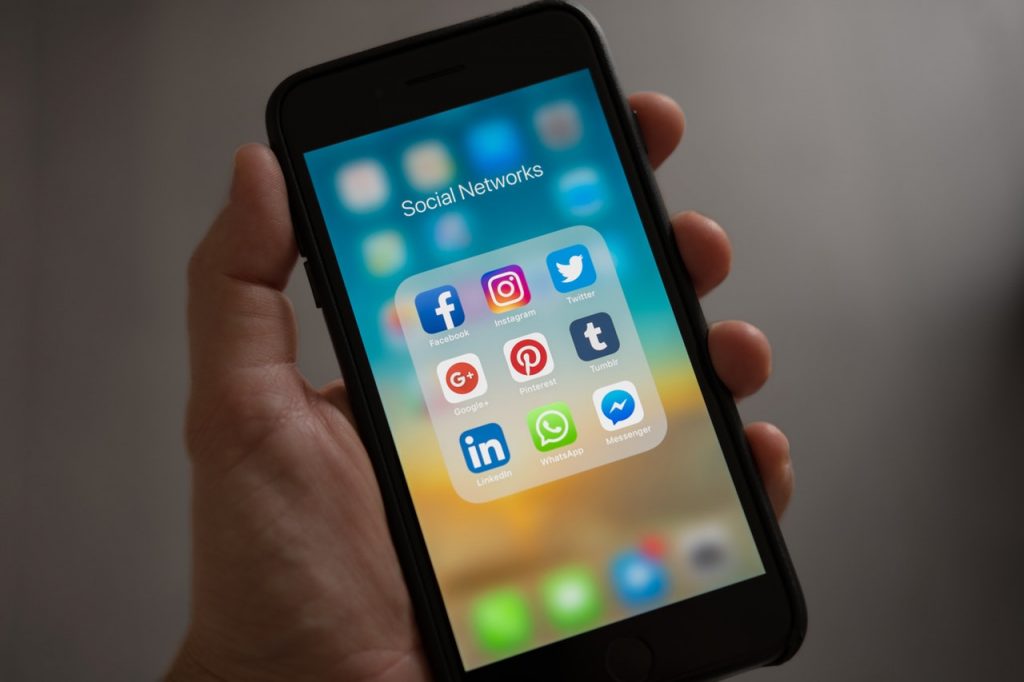

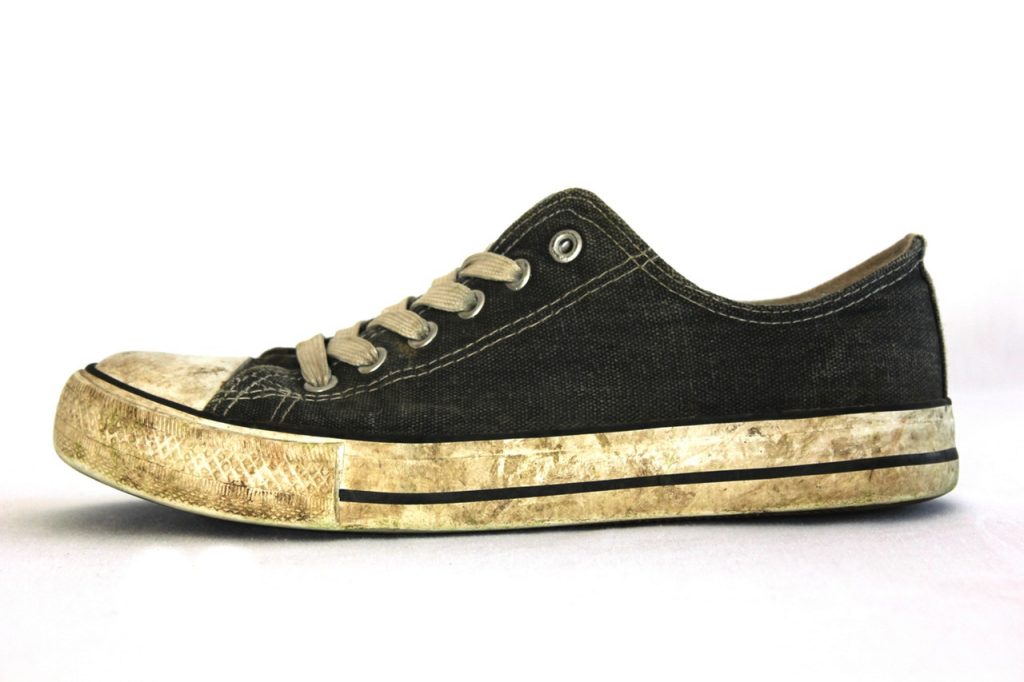





 Consistently hitting this ” assured score zone ” — notably at The NBA degree — plays a huge part in a players achievement, which explains exactly why having instant feedback in training might help shooters create a trusted shot.
 For the analysis, the researchers compiled worldwide production statistics for Resins, fibers, and additives from several industry sources, breaking them down according to type and intensive industry. They found that annual worldwide production of plastics skyrocketed, from two million metric tons in 1950 to some jaw-dropping 400 million metric tons in 2015. That is a level of growth not seen in any other substance, save for building where concrete and steel are king. But unlike steel and concrete – substances that hold our infrastructure collectively – vinyl will be thrown away after only one use. That is because a hefty part of it is used for packaging.


 A 2015 report by the Australian Academy of Science discovered that amongst more than 500 expert astronomers in Australia, around one quarter of their research effort was now computational in nature. Yet in high school and university, science, innovation and engineering topics still deal with these essential abilities as second-class. Referring both to the modelling of the world through simulations and the expedition of observational information, calculation is important not just to astronomy but a series of sciences, including bioinformatics, computational linguistics and particle physics.

 If you are like lots of people, when you consider chemistry one of two images pops into your head: visions of the table of elements from your
  For all the hope of ridding our energy and transport systems of petroleum reliance, there’s also the pesky little issue that a lot of products that businesses and customers use everyday are
  Human skeleton has amazed mankind from the beginning. Traditionally real human skeleton was used for these studies but these days they have been replaced by skeleton models which are being widely used by medical institutions across the globe. Medical skeleton models are easily available unlike the real human skeleton and are being used by thousands of students across many medical institutions for medical research. These three dimensional models are providing the researchers with a wider scope of study.